mail us
info@primarycareclinicofkaty.com


Call us
(281) 392-2222


Imagine having all your family’s healthcare needs met in one convenient location, with doctors who truly know your medical history and care about your long-term wellness.
If you’re tired of juggling multiple specialists, waiting weeks for appointments, and navigating confusing medical bills, you’re not alone.
Many families are discovering the answer lies in what is comprehensive primary care – an integrated healthcare approach that transforms fragmented medical experiences into seamless, coordinated care that puts your family’s health first.
Understanding what is comprehensive primary care begins with recognizing it as a revolutionary approach to healthcare delivery that prioritizes whole-person wellness over symptom-focused treatment. The comprehensive primary care definition encompasses a medical model that integrates prevention, treatment, and ongoing health management through coordinated care teams and long-term patient relationships.
What is comprehensive primary care if not a complete shift toward treating the whole person rather than isolated symptoms? This approach considers physical health alongside mental, emotional, and social factors that influence overall wellness. Healthcare providers examine how lifestyle choices, family history, work stress, and community resources impact a patient’s health outcomes.
Rather than addressing each health concern in isolation, comprehensive primary care recognizes the interconnected nature of various body systems and life circumstances. This holistic perspective leads to more effective treatment plans that address root causes rather than just managing symptoms.
The comprehensive primary care definition includes seamless coordination between multiple healthcare providers working within the same practice or network.
This coordination ensures that all members of your healthcare team communicate effectively about your care plans, test results, and treatment progress. When specialists, nurses, physician assistants, and primary care doctors work together under one umbrella, patients benefit from unified treatment approaches and reduced communication gaps.
Electronic health records systems enable real-time sharing of medical information, preventing duplicate testing and ensuring all providers have access to complete health histories.
What is comprehensive primary care without the foundation of lasting relationships between patients and their healthcare providers
These long-term partnerships allow medical teams to understand each patient’s unique health patterns, preferences, and family medical history over time. Continuity of care means patients work with familiar providers who know their medical journey, making it easier to detect changes in health status and adjust treatment plans accordingly.
These established relationships also improve patient comfort levels and communication, leading to more honest discussions about health concerns and better adherence to treatment recommendations.
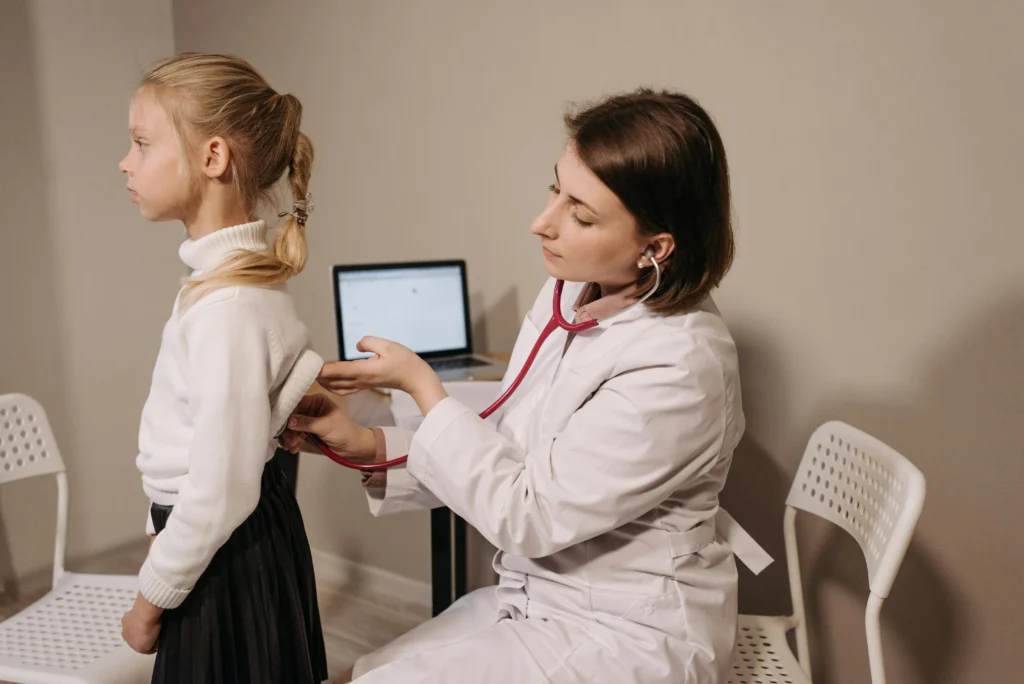
Understanding the distinctive features of comprehensive primary care helps families recognize why this healthcare model delivers superior outcomes compared to traditional fragmented care approaches. These characteristics work together to create a more efficient, effective, and patient-friendly healthcare experience.
One of the most valued features of comprehensive primary care is the ability to access medical care when health concerns arise, rather than waiting days or weeks for available appointments. Same-day sick visits and walk-in availability mean families can receive prompt attention for acute illnesses, minor injuries, and urgent health questions without resorting to expensive emergency room visits.
This immediate access to familiar healthcare providers ensures continuity of care even during unexpected health events. Flexible scheduling options accommodate busy family schedules and work commitments, making it easier to prioritize preventive care and routine health maintenance.
Comprehensive primary care practices typically include diagnostic capabilities that eliminate the need for separate appointments at outside testing facilities.
Cardiology & diagnostics services may include digital X-rays, electrocardiograms, blood work, and other essential testing procedures available on-site. Having these capabilities within the primary care practice speeds up diagnosis and treatment decisions, as providers can review results immediately with patients.
This efficiency reduces the time between testing and treatment, improving patient satisfaction and health outcomes while eliminating the inconvenience of multiple appointments at different locations.
What is comprehensive primary care if not a healthcare solution that grows with your family over time? Practices that serve patients across all age groups allow entire families to receive care from the same medical team, creating consistency and convenience that busy families appreciate.
Children can receive pediatric care, adults can manage their routine health needs, and seniors can address age-specific health concerns all within the same practice. This multi-generational approach helps providers understand family health patterns, genetic predispositions, and lifestyle factors that may influence treatment decisions for all family members.
Comprehensive primary care services encompass a wide range of medical capabilities designed to meet most of a family’s healthcare needs without requiring multiple specialist visits or separate medical facilities. These services work together to provide complete care from prevention through treatment and ongoing management.
Preventive & wellness care forms the cornerstone of comprehensive primary care services, focusing on maintaining health and preventing disease before problems develop. Annual physical examinations, cancer screenings, cardiovascular assessments, and age-appropriate health screenings help identify risk factors and early signs of disease.
These wellness visits include routine blood work, cholesterol testing, diabetes screening, and other diagnostic tests that monitor overall health status.
Preventive care also encompasses counseling about healthy lifestyle choices, nutrition guidance, and recommendations for age-appropriate exercise programs.
When illness or injury occurs, comprehensive primary care services include prompt treatment for acute conditions that require immediate attention but don’t constitute medical emergencies.
Common conditions like respiratory infections, digestive issues, skin problems, minor injuries, and fever can be quickly diagnosed and treated within the primary care setting. This immediate access to familiar healthcare providers ensures continuity of care and appropriate follow-up for acute conditions.
Having urgent care capabilities within the primary care practice means families don’t need to visit unfamiliar urgent care centers or emergency rooms for non-emergency medical needs.
Chronic disease management in primary care represents a crucial component of comprehensive primary care services, helping patients effectively manage ongoing health conditions like diabetes, hypertension, heart disease, and arthritis. Chronic disease management includes regular monitoring appointments, medication adjustments, lifestyle counseling, and coordination with specialists when needed.
Providers work closely with patients to develop personalized management plans that prevent complications and maintain quality of life. This ongoing support includes education about disease management, assistance with medication compliance, and regular assessment of treatment effectiveness.
Comprehensive primary care services often include specialized healthcare needs that would otherwise require separate appointments at different facilities.
Immunizations for children and adults, including routine vaccines, travel immunizations, and seasonal flu shots, are typically available within comprehensive primary care practices. Family Planning services may include contraceptive counseling, preconception planning, and reproductive health guidance.
These additional services demonstrate how comprehensive primary care extends beyond basic medical care to address specific health needs that are important for family wellness and life planning.

The patient-centered medical home represents an advanced form of comprehensive primary care that emphasizes coordinated, accessible, and quality-driven healthcare delivery.
This model transforms traditional medical care by placing patients at the center of their healthcare experience and ensuring all services work together toward optimal health outcomes. Mayo Clinic exemplifies this approach by providing integrated, multidisciplinary care under one roof with seamless communication between providers.
Patient-centered medical homes include the development of individualized care plans that address each patient’s unique health situation, preferences, and goals.
Rather than applying one-size-fits-all treatment approaches, healthcare teams consider factors like family history, lifestyle, work environment, and personal health priorities when creating treatment plans. These personalized approaches improve treatment effectiveness because they account for the specific circumstances that influence each patient’s ability to follow medical recommendations.
Value-based primary care emphasizes measuring success based on patient outcomes rather than the number of services provided, encouraging providers to focus on what works best for each individual.
The patient-centered medical home model prioritizes clear, ongoing communication between patients and their healthcare providers through multiple channels and regular check-ins.
Patients have direct access to their healthcare teams through secure messaging systems, phone consultations, and scheduled follow-up appointments that ensure questions and concerns are addressed promptly. This enhanced communication includes patient education about their health conditions, treatment options, and self-care strategies that support better outcomes.
Regular communication also helps providers monitor patient progress, adjust treatment plans when necessary, and identify potential problems before they become serious health issues.
When specialized medical care is required, the patient-centered medical home model ensures seamless coordination between primary care providers and specialists.
Rather than leaving patients to navigate referral processes independently, comprehensive primary care teams manage specialist appointments, share relevant medical records, and coordinate treatment plans between providers.
This streamlined approach prevents duplicate testing, reduces communication gaps, and ensures that specialty care recommendations integrate well with ongoing primary care management. Patients benefit from having their primary care team oversee their complete healthcare journey, even when specialist involvement is necessary.
The Agency for Healthcare Research and Quality emphasizes the importance of care coordination in improving patient outcomes and reducing healthcare costs.
Ready to experience what comprehensive primary care can do for your family’s health? Katy Primary Care Clinic combines all the essential features of comprehensive care with the personal touch your family deserves.
Our comprehensive services include everything from routine wellness visits to urgent care, making us your one-stop healthcare solution in the Katy community. From same-day appointments to complete diagnostic services, we’re your trusted healthcare partner who understands what comprehensive primary care really means for busy families.
Contact us today and discover why comprehensive primary care is the smart choice for your family’s wellness journey!