


Medical emergency? Call 911
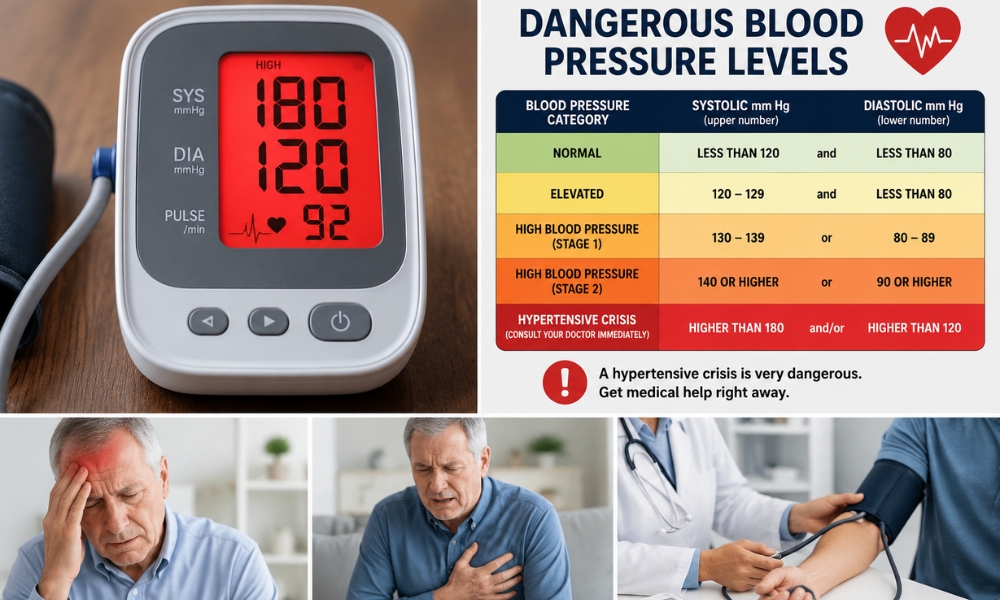
If your blood pressure is 180/120 or higher and you have chest pain, shortness of breath, back pain, numbness or weakness, a change in vision, or difficulty speaking, call 911 now. Sudden face drooping, arm weakness or slurred speech can mean a stroke — call 911 immediately. If a reading is 180/120 or higher without these symptoms, wait five minutes, measure again, and contact a healthcare professional right away if it is still that high.
High blood pressure is often called a “silent condition” because many people live with it for years without noticing obvious symptoms. A person can feel completely healthy while elevated blood pressure slowly affects the heart, blood vessels, kidneys, brain, and other important organs.
That does not mean high blood pressure never causes symptoms. In some situations, especially when blood pressure becomes extremely high, the body may send warning signals that should not be ignored. Recognizing these signs and understanding when to seek medical attention can help prevent serious complications.
Many people ask, “How do I know if I have high blood pressure?” or “What does high blood pressure feel like?” The answer is not always simple because symptoms can vary depending on how high the blood pressure is, how quickly it rises, and whether it has already affected other parts of the body.
This guide explains the common high blood pressure symptoms, emergency warning signs, possible complications, how doctors diagnose hypertension, and what steps you can take to protect your long-term health.
Table of Contents
- What Is High Blood Pressure?
- Why Is High Blood Pressure Called a Silent Condition?
- Common High Blood Pressure Symptoms
- Can High Blood Pressure Cause Headaches?
- Severe Warning Signs You Should Never Ignore
- When Is High Blood Pressure an Emergency?
- Who Is at Higher Risk of High Blood Pressure?
- How Doctors Diagnose High Blood Pressure
- Treatment Options
- How to Prevent High Blood Pressure
- High Blood Pressure Care in Katy, TX
- Frequently Asked Questions
Important Note
High blood pressure can develop quietly, but the effects on your health can become serious over time. Learning the warning signs, checking your blood pressure regularly, and getting medical guidance early can help reduce the risk of heart disease, stroke, kidney problems, and other complications.
What Is High Blood Pressure?
High blood pressure, also called hypertension, occurs when blood pushes against the walls of your arteries with consistently higher force than normal.
Your heart pumps blood through a network of blood vessels called arteries. This pressure helps deliver oxygen and nutrients throughout the body. However, when the pressure remains elevated for long periods, it can damage artery walls and make the heart work harder.
Blood pressure readings include two numbers:
- Systolic pressure: The top number, which measures pressure when the heart beats.
- Diastolic pressure: The bottom number, which measures pressure when the heart rests between beats.
A healthcare provider considers your overall health, medical history, and repeated blood pressure readings when determining whether you have hypertension.
High blood pressure can affect anyone, including adults who feel healthy and have no noticeable symptoms.
That is why regular health screenings are important. A simple blood pressure check can identify a problem before complications develop.
Why Is High Blood Pressure Called a Silent Condition?
High blood pressure is often called a silent condition because many people experience no clear symptoms until the condition becomes severe or causes complications.
This is one of the biggest reasons hypertension can be dangerous. A person may continue daily activities, exercise, work, and feel normal while high blood pressure gradually affects their health.
Without regular monitoring, many people do not realize they have hypertension until a healthcare provider discovers it during a routine visit.
Over time, uncontrolled high blood pressure may contribute to:
- Heart disease
- Stroke
- Kidney damage
- Vision problems
- Blood vessel damage
- Heart failure
Because symptoms may not appear early, preventive care plays an important role in protecting long-term health.
Routine visits, including family health check-ups, allow healthcare providers to monitor blood pressure and identify concerns before they become serious.
What Are the Common High Blood Pressure Symptoms?
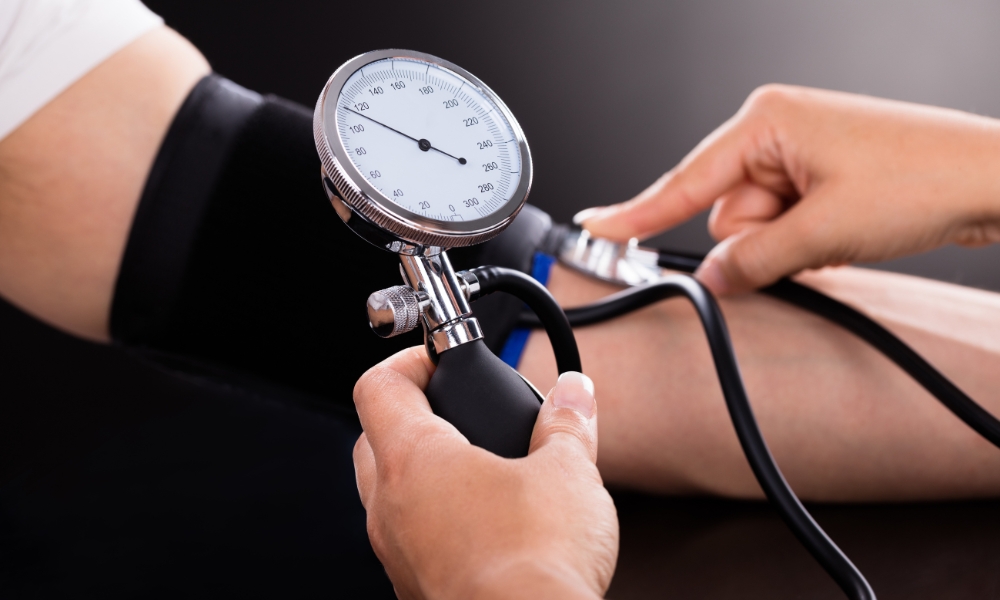
Most people with high blood pressure do not notice symptoms, but some individuals may experience physical warning signs, especially when blood pressure becomes very high.
Symptoms can vary from person to person. Some people may experience mild discomfort, while others may develop more noticeable changes.
Possible high blood pressure symptoms include:
- Headaches
- Dizziness
- Shortness of breath
- Chest discomfort
- Vision changes
- Fatigue
- Nosebleeds in some cases
- Feeling unusually unwell
These symptoms do not always mean someone has high blood pressure. They can occur with many other conditions as well. However, recurring or unexplained symptoms should be discussed with a healthcare provider.
Dizziness
Dizziness can occur for many reasons, including dehydration, medication effects, inner ear problems, and blood pressure changes.
When high blood pressure becomes severe, changes in circulation may contribute to feelings of lightheadedness or imbalance.
Frequent dizziness should not be ignored, especially when it occurs with chest pain, weakness, vision changes, or confusion.
Fatigue and Low Energy
Some people with uncontrolled hypertension report feeling unusually tired or lacking energy.
High blood pressure can place additional strain on the heart, which may affect how efficiently the body receives oxygen-rich blood.
Persistent fatigue deserves medical evaluation because it can have many possible causes.
Shortness of Breath
Breathing difficulties may occur when high blood pressure affects heart function or contributes to cardiovascular problems.
Shortness of breath during normal activities, while resting, or when lying down should receive medical attention.
People experiencing both breathing difficulties and shortness of breath symptoms should discuss their concerns with a healthcare provider.
Can High Blood Pressure Cause Headaches?
Severe high blood pressure can sometimes cause headaches, especially when blood pressure rises to dangerous levels.
However, headaches alone do not always mean someone has hypertension. Many common conditions, including stress, dehydration, migraines, and lack of sleep, can also cause headaches.
High blood pressure-related headaches may occur alongside other symptoms such as:
- Blurred vision
- Chest discomfort
- Shortness of breath
- Confusion
- Weakness
A sudden, severe headache that feels unusual or occurs with neurological symptoms requires immediate medical attention.
Monitoring blood pressure regularly provides much more reliable information than trying to identify hypertension based only on symptoms.
Severe Warning Signs of High Blood Pressure You Should Never Ignore
While high blood pressure often causes no symptoms, extremely elevated blood pressure can create warning signs that require immediate medical attention.
When blood pressure rises significantly, it can place sudden stress on the heart, brain, kidneys, and blood vessels. These situations require prompt evaluation because they may indicate a hypertensive crisis or another serious health concern.
Severe Headache
A sudden, intense headache that feels different from your usual headaches may be a warning sign, especially when it occurs alongside very high blood pressure readings.
Pay attention if the headache appears with other symptoms such as:
- Confusion
- Weakness
- Vision problems
- Dizziness
- Difficulty speaking
These symptoms may indicate that high blood pressure is affecting circulation to important organs.
Chest Pain or Pressure
Chest pain is one of the most important warning signs that should never be ignored.
High blood pressure forces the heart to work harder, which can increase the risk of heart-related complications over time.
Seek medical care immediately if chest discomfort occurs with:
- Pressure or squeezing sensations
- Pain spreading to the arm, jaw, or back
- Shortness of breath
- Sweating
- Nausea
Vision Changes
Very high blood pressure can affect the blood vessels in the eyes and may lead to vision changes.
Warning signs may include:
- Blurred vision
- Sudden vision problems
- Difficulty focusing
Changes in vision should always receive medical attention because they may indicate damage involving the eyes or blood vessels.
Shortness of Breath
High blood pressure can contribute to heart strain, which may make breathing more difficult.
Shortness of breath that occurs suddenly or becomes severe requires urgent evaluation.
Weakness, Numbness, or Trouble Speaking
High blood pressure is one of the leading risk factors for stroke.
Symptoms that may indicate a stroke include:
- Sudden weakness on one side of the body
- Facial drooping
- Difficulty speaking
- Loss of coordination
- Sudden confusion
Stroke symptoms require immediate emergency care because rapid treatment can make a significant difference.
When Is High Blood Pressure an Emergency?
A hypertensive crisis occurs when blood pressure reaches dangerously high levels and may require immediate medical attention.
Healthcare providers typically evaluate both the blood pressure reading and whether symptoms or organ damage are present.
Emergency warning signs may include:
- Severe chest pain
- Severe headache
- Shortness of breath
- Confusion
- Vision changes
- Weakness or numbness
- Difficulty speaking
- Loss of consciousness
If these symptoms occur, do not wait for them to improve on their own. Emergency evaluation may be necessary.
Many people delay seeking care because they assume they are experiencing stress, fatigue, or a minor issue. However, serious symptoms should always be taken seriously.
What Happens If High Blood Pressure Is Left Untreated?
Untreated high blood pressure can gradually damage important organs and increase the risk of serious health problems.
Because hypertension often develops silently, damage may occur before a person realizes there is a problem.
Heart Complications
The heart must work harder when blood pressure remains elevated.
Over time, this additional strain may contribute to:
- Heart enlargement
- Coronary artery disease
- Heart failure
- Irregular heart rhythms
Stroke Risk
High blood pressure damages blood vessels and increases the risk of blood vessel blockage or bleeding in the brain.
Managing blood pressure is one of the most important steps in reducing stroke risk.
Kidney Problems
The kidneys filter waste and help regulate fluid balance in the body.
Long-term hypertension can damage kidney blood vessels and affect kidney function.
Eye Damage
High blood pressure can affect delicate blood vessels in the eyes.
In some cases, this may lead to vision changes or other eye-related complications.
Blood Vessel Damage
Constant pressure against artery walls can cause damage that affects circulation throughout the body.
This is why early detection and consistent management are so important.
Important Note
Seeing a high blood pressure reading can feel alarming, but one elevated reading does not always mean you have a long-term condition. Stress, illness, medications, and other temporary factors can affect blood pressure. However, repeated high readings or concerning symptoms should never be ignored. A healthcare provider can help determine what your numbers mean and what steps you should take next.
Who Is at Higher Risk of High Blood Pressure?
Anyone can develop high blood pressure, but certain factors increase the likelihood of developing hypertension.
Understanding these risk factors can help you take preventive steps and make informed healthcare decisions.
Age
The risk of high blood pressure generally increases as people get older because blood vessels naturally become less flexible over time.
However, younger adults can also develop hypertension due to lifestyle factors, genetics, or underlying health conditions.
Family History
People with close family members who have high blood pressure may have a higher risk of developing the condition.
Knowing your family medical history can help your healthcare provider better understand your risk.
High Sodium Intake
Eating too much sodium can cause the body to retain fluid, which may increase blood pressure in some individuals.
Reducing processed foods and choosing balanced meals can support healthier blood pressure levels.
Lack of Physical Activity
Regular physical activity helps strengthen the heart and improve blood vessel health.
A sedentary lifestyle may increase the risk of hypertension and related health concerns.
Chronic Stress
Ongoing stress may contribute to unhealthy habits and temporary increases in blood pressure.
Managing stress through healthy coping strategies can support overall wellness.
Smoking and Alcohol Use
Smoking damages blood vessels, while excessive alcohol intake can contribute to elevated blood pressure.
Avoiding tobacco and following healthy alcohol guidelines can reduce cardiovascular risks.
How Doctors Diagnose High Blood Pressure
Healthcare providers diagnose high blood pressure by measuring blood pressure levels and reviewing overall health history.
Because blood pressure naturally changes throughout the day, doctors often consider multiple readings rather than relying on a single measurement.
Blood Pressure Measurement
A blood pressure cuff measures the force of blood against artery walls.
Your provider may check your blood pressure during routine visits or recommend monitoring it at home.
Medical History Review
Your healthcare provider may ask about:
- Family history of hypertension
- Current medications
- Lifestyle habits
- Diet and activity levels
- Existing health conditions
Additional Testing
If needed, providers may recommend additional tests to evaluate how high blood pressure affects your body.
These may include:
- Blood tests
- Urine tests
- Heart tests
- Cholesterol screening
- Kidney function evaluation
Early diagnosis allows patients and providers to create a plan that protects long-term health.
Treatment Options for High Blood Pressure
Treatment for high blood pressure focuses on lowering blood pressure levels, protecting vital organs, and reducing the risk of future complications.
The right treatment approach depends on your blood pressure readings, overall health, age, lifestyle factors, and whether other conditions are present.
Many people successfully manage hypertension with a combination of healthy habits, regular monitoring, and medication when needed.
Lifestyle Changes
Lifestyle improvements are an important part of managing high blood pressure.
Even small changes can make a meaningful difference in heart and blood vessel health.
Common recommendations include:
- Eating a heart-healthy diet
- Reducing sodium intake
- Maintaining a healthy weight
- Exercising regularly
- Managing stress
- Getting enough quality sleep
- Avoiding tobacco products
These changes support healthier circulation and can improve the effectiveness of other treatments.
Blood Pressure Medications
Some people need medication to keep blood pressure within a healthy range.
Doctors may prescribe different types of medications depending on each patient’s needs.
Medication options may include treatments that help:
- Relax blood vessels
- Reduce fluid buildup
- Lower the workload on the heart
- Control heart rate
Taking medications exactly as prescribed is important because stopping treatment without medical guidance may allow blood pressure to rise again.
Regular Monitoring
High blood pressure management requires ongoing attention.
Regular blood pressure checks help healthcare providers understand whether treatment is working and whether adjustments are needed.
Home blood pressure monitoring can also provide valuable information between medical visits.
Treating Related Health Conditions
Many patients with hypertension also manage conditions such as diabetes, high cholesterol, kidney disease, or heart disease.
Addressing these conditions together helps reduce overall cardiovascular risk.
Comprehensive healthcare services, including chronic disease management, can help patients stay on track with long-term health goals.
How to Prevent High Blood Pressure
Healthy daily habits can lower the risk of developing high blood pressure and support better heart health.
Prevention does not require perfection. Consistent, realistic changes often create the greatest long-term benefits.
Eat a Balanced Diet
A nutritious diet supports healthy blood pressure levels by providing essential nutrients while reducing factors that may increase cardiovascular strain.
Focus on:
- Fruits and vegetables
- Whole grains
- Lean proteins
- Healthy fats
- Lower-sodium food choices
Exercise Regularly
Physical activity strengthens the heart and improves blood vessel function.
Regular movement can help maintain healthier blood pressure and improve overall energy levels.
Maintain a Healthy Weight
Extra weight can increase pressure on the cardiovascular system.
Working toward a healthy weight through balanced nutrition and regular activity can support better blood pressure control.
Manage Stress
Stress can affect blood pressure and influence habits that impact heart health.
Healthy stress management techniques may include:
- Relaxation exercises
- Mindfulness practices
- Spending time with supportive people
- Regular physical activity
Limit Tobacco Exposure
Smoking damages blood vessels and significantly increases cardiovascular risk.
Avoiding tobacco products is one of the strongest steps you can take to protect your heart.
Schedule Regular Health Screenings
Because high blood pressure often develops without symptoms, regular screenings remain one of the most effective prevention tools.
Routine visits allow healthcare providers to identify changes early and recommend personalized strategies.
High Blood Pressure Care in Katy, TX
If you are experiencing possible high blood pressure symptoms, have consistently elevated readings, or want to better understand your cardiovascular health, professional medical guidance can help you take the next step.
Patients in Katy, Cinco Ranch, Fulshear, and surrounding communities can receive personalized care at Primary Care Clinic of Katy.
The clinic provides preventive care, chronic condition management, diagnostic services, wellness visits, and personalized treatment plans designed around each patient’s health needs.
Whether you need a routine blood pressure check, help managing hypertension, or guidance on reducing your risk factors, working with an experienced healthcare team can make managing your health easier.
Early detection and consistent care can help protect your heart, kidneys, brain, and overall quality of life.
Frequently Asked Questions About High Blood Pressure Symptoms
What are the most common symptoms of high blood pressure?
Many people with high blood pressure have no symptoms. When symptoms occur, they may include headaches, dizziness, shortness of breath, chest discomfort, vision changes, and fatigue, especially when blood pressure becomes very high.
Can you feel when your blood pressure is high?
Sometimes people notice symptoms such as headaches, dizziness, or feeling unwell, but many people cannot feel high blood pressure at all. Regular blood pressure checks are the most reliable way to know your levels.
Can high blood pressure cause headaches?
Severe high blood pressure may cause headaches, especially when blood pressure rises to dangerous levels. However, headaches alone do not always mean someone has hypertension.
When should I worry about high blood pressure symptoms?
You should seek medical attention if high blood pressure symptoms occur with chest pain, severe headache, confusion, vision changes, weakness, numbness, or difficulty breathing.
Can high blood pressure cause shortness of breath?
Yes. High blood pressure can contribute to heart strain and cardiovascular problems that may lead to shortness of breath.
Can stress cause high blood pressure?
Stress can temporarily increase blood pressure and may contribute to habits that increase long-term risk. Managing stress can support better overall health.
How often should I check my blood pressure?
The frequency depends on your health history and current blood pressure levels. Your healthcare provider can recommend the right monitoring schedule.
What blood pressure reading is considered dangerous?
Very high readings combined with symptoms such as chest pain, severe headache, confusion, or breathing difficulties require urgent medical attention.
Can young adults have high blood pressure?
Yes. Although risk increases with age, younger adults can also develop hypertension due to genetics, lifestyle factors, medical conditions, or certain medications.
Can high blood pressure be cured?
High blood pressure is often a long-term condition, but many people successfully manage it through lifestyle changes, medication, and regular medical care.
Final Thoughts
High blood pressure symptoms can be easy to miss because many people feel completely normal while the condition develops. This is why regular monitoring and preventive healthcare are so important.
When symptoms do appear, especially severe headaches, chest pain, breathing difficulties, vision changes, or neurological symptoms, they should never be ignored.
Managing blood pressure is not only about lowering a number. It is about protecting your heart, brain, kidneys, and overall health for the future.
If you are concerned about your blood pressure or experiencing possible warning signs, speaking with a healthcare provider can help you understand your risks and create a personalized plan.
Medical Disclaimer
This article is for educational purposes only and does not replace professional medical advice, diagnosis, or treatment. High blood pressure symptoms can vary and may sometimes indicate serious health concerns. Always consult a qualified healthcare provider regarding your symptoms or medical questions.