


Medical emergency? Call 911
If you have chest pain, pressure, squeezing or fullness that lasts more than a few minutes or goes away and comes back, especially with shortness of breath, a cold sweat, nausea, lightheadedness, or discomfort spreading to the arm, back, neck, jaw or stomach, call 911 now. Do not drive yourself to the hospital, and do not wait for a clinic appointment.
Chest pain can be one of the most frightening symptoms a person experiences. A sudden pressure, tightness, burning sensation, or sharp discomfort in your chest can immediately make you wonder, “Am I having a heart attack?”
While chest pain does not always mean a life-threatening emergency, you should never ignore unexplained chest discomfort. The chest contains important organs, including the heart and lungs, and pain in this area can come from conditions that range from mild muscle strain to serious heart or lung problems.
Many people delay seeking care because they hope the pain will disappear on its own. Others panic over symptoms caused by less serious conditions. Understanding the warning signs, possible causes, and situations that require urgent medical attention can help you make a safer decision.
Chest pain requires careful evaluation because symptoms do not always look the same for everyone. Some people experience classic pressure or squeezing sensations, while others may notice unusual symptoms such as shortness of breath, nausea, fatigue, or discomfort spreading to other areas of the body.
Table of Contents
- What Is Chest Pain?
- When Is Chest Pain a Medical Emergency?
- Heart-Related Causes of Chest Pain
- Non-Heart Causes of Chest Pain
- Warning Signs You Should Not Ignore
- Who Has a Higher Risk of Serious Chest Pain?
- How Doctors Diagnose Chest Pain
- Treatment Options for Chest Pain
- How to Reduce Your Risk of Chest Pain
- Chest Pain Care in Katy, TX
- Frequently Asked Questions
Important Note
Chest pain can have many causes, but some causes require immediate medical attention. Learning the difference between mild discomfort and warning signs of a serious condition can help protect your health. If you experience new, severe, or unexplained chest pain, seek professional medical guidance instead of trying to diagnose the cause yourself.
What Is Chest Pain?
Chest pain refers to discomfort, pressure, or pain anywhere in the area between your neck and upper abdomen.
People describe chest pain in different ways. Some feel a heavy pressure or squeezing sensation. Others describe burning, stabbing, aching, or tightness.
The location and sensation of chest pain can vary depending on the cause. Pain may occur in the center of the chest, on one side, or across a larger area.
Chest pain may feel like:
- Pressure or heaviness
- Tightness or squeezing
- Burning discomfort
- Sharp or stabbing pain
- A dull ache
- A feeling of fullness or discomfort
The cause of chest pain may involve several body systems, including:
- The heart and blood vessels
- The lungs and respiratory system
- The digestive system
- The muscles, ribs, and chest wall
- The nervous system
Because different conditions can create similar symptoms, healthcare providers consider your complete health history, symptoms, risk factors, and physical examination findings.
At Primary Care Clinic of Katy, providers evaluate chest symptoms carefully and help patients determine the appropriate next steps based on their individual health needs.
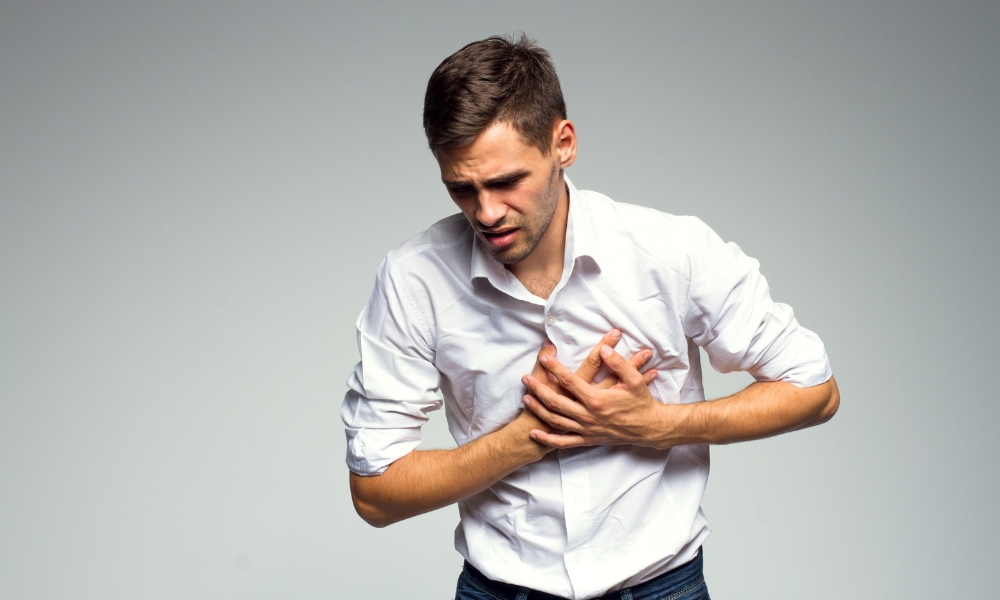
When Is Chest Pain a Medical Emergency?
Chest pain is an emergency when it may indicate a serious condition involving the heart, lungs, or another vital organ.
You should seek emergency medical care if chest pain is sudden, severe, unexplained, or occurs with other concerning symptoms.
Some chest pain warning signs include:
- Chest pressure, squeezing, or heaviness that lasts several minutes
- Pain that spreads to the arm, shoulder, neck, jaw, or back
- Shortness of breath
- Cold sweating
- Nausea or vomiting
- Dizziness or fainting
- A rapid or irregular heartbeat
- Extreme weakness or unusual fatigue
These symptoms may indicate a heart attack or another serious medical condition that requires immediate evaluation.
Chest Pain That Comes With Breathing Problems
Chest pain combined with sudden shortness of breath requires urgent attention. Certain lung conditions can cause chest discomfort and interfere with normal breathing.
Chest Pain During Physical Activity
Pain that appears during exercise, walking, climbing stairs, or physical effort may occur when the heart does not receive enough oxygen-rich blood.
Although not every case represents a heart emergency, activity-related chest discomfort should be discussed with a healthcare provider.
New Chest Pain in Adults With Risk Factors
New chest pain deserves attention, especially in people with risk factors such as high blood pressure, diabetes, smoking history, high cholesterol, or a family history of heart disease.
Early evaluation can help identify problems before they become more serious.
Non-Heart Causes of Chest Pain
Not all chest pain comes from the heart. Many conditions affecting the lungs, digestive system, muscles, and nerves can also create chest discomfort.
Understanding these possible causes can help explain why chest pain does not always mean a heart problem. However, because some serious conditions can feel similar to less serious ones, healthcare providers recommend evaluating new or unexplained chest pain.
Acid Reflux and Heartburn
Acid reflux is one of the most common non-heart causes of chest discomfort. It occurs when stomach acid moves upward into the esophagus, creating irritation.
Many people describe reflux-related chest pain as a burning sensation behind the breastbone. The discomfort may worsen after meals, when lying down, or after eating certain foods.
Other symptoms may include:
- A sour taste in the mouth
- Burping
- Throat irritation
- A feeling of food coming back up
- Difficulty sleeping due to discomfort
Although acid reflux can feel similar to heart-related chest pain, a healthcare provider can help determine the difference.
Muscle Strain and Chest Wall Pain
The muscles, ribs, and tissues surrounding the chest can become painful after injury, exercise, lifting, coughing, or repetitive movements.
Muscle-related chest pain often becomes worse with certain movements, touching the area, or taking deep breaths.
Common causes include:
- Exercise-related strain
- Heavy lifting
- Sports injuries
- Persistent coughing
- Chest wall inflammation
Rest, proper movement, and medical guidance can help manage many muscle-related causes.
Costochondritis
Costochondritis occurs when the cartilage connecting the ribs to the breastbone becomes inflamed.
This condition can cause sharp chest pain that may feel alarming because it occurs near the heart area.
Many people notice that the pain increases when pressing on the chest area, moving the upper body, or taking deep breaths.
Lung-Related Conditions
The lungs and surrounding tissues can also create chest pain. Respiratory conditions may cause discomfort along with breathing difficulties or coughing.
Possible causes include:
- Pneumonia
- Inflammation of lung tissue
- Respiratory infections
- Asthma-related chest tightness
Chest pain combined with sudden breathing difficulty requires medical attention.
Pulmonary Embolism
A pulmonary embolism occurs when a blood clot blocks blood flow in the lungs. This condition can cause sudden chest pain and breathing problems.
Warning signs may include:
- Sudden shortness of breath
- Chest pain that worsens with breathing
- Fast heartbeat
- Dizziness
- Coughing
A pulmonary embolism requires urgent medical evaluation.
Anxiety and Panic Attacks
Stress and anxiety can create physical symptoms, including chest tightness, rapid heartbeat, shortness of breath, and feelings of fear.
Although anxiety-related chest symptoms are common, it is important not to assume chest pain comes from anxiety without proper evaluation, especially if the symptoms are new or unusual.
Warning Signs You Should Not Ignore
Certain chest pain symptoms require immediate medical attention because they may indicate a serious condition.
Chest pain can appear differently from person to person. Some people experience severe discomfort, while others notice subtle symptoms that still require evaluation.
Chest Pressure or Squeezing
A feeling of pressure, heaviness, squeezing, or fullness in the chest is one of the most concerning symptoms, especially when it lasts several minutes or returns repeatedly.
People often describe it as feeling like something is sitting on their chest or creating uncomfortable pressure.
Pain Spreading to Other Areas
Chest pain that spreads beyond the chest area can indicate a problem involving the heart or blood vessels.
Pay attention to discomfort that moves toward:
- One or both arms
- Shoulders
- Neck
- Jaw
- Upper back
Shortness of Breath
Difficulty breathing with chest pain should always receive attention. The heart and lungs work closely together, and problems affecting either system can create overlapping symptoms.
Cold Sweating or Nausea
Some people experience sweating, nausea, vomiting, or stomach discomfort during serious heart-related events.
These symptoms can be especially important when they occur with chest pressure or discomfort.
Dizziness or Fainting
Feeling lightheaded, faint, or unusually weak with chest pain may suggest that your body is not receiving enough oxygen or that your heart rhythm requires evaluation.
Chest Pain That Feels Different From Normal
If you have experienced occasional discomfort before but notice a new pattern, stronger intensity, or different sensation, speak with a healthcare professional.
Your body’s changes deserve attention, even when symptoms seem uncertain.
Important Note
Many causes of chest pain are treatable and not life-threatening, but chest symptoms should never be dismissed without considering the full picture. Avoid trying to determine the cause based only on how the pain feels. A healthcare provider can evaluate your symptoms, check important risk factors, and guide you toward the right care.
Who Has a Higher Risk of Serious Chest Pain?
Some people have a higher risk of heart-related chest pain because of existing health conditions, lifestyle factors, or family history.
Understanding your risk factors can help you take preventive steps and recognize when symptoms require faster attention.
High Blood Pressure
High blood pressure makes the heart work harder and can increase the risk of cardiovascular problems over time.
Regular monitoring and appropriate treatment help protect heart health.
High Cholesterol
High cholesterol can contribute to plaque buildup in blood vessels, which may reduce blood flow to the heart.
Managing cholesterol levels through lifestyle changes and medical care can lower cardiovascular risk.
Diabetes
Diabetes affects how the body manages blood sugar and can increase the risk of heart disease.
People with diabetes should pay attention to new or unusual symptoms because heart-related symptoms may sometimes appear differently.
Smoking History
Smoking damages blood vessels and increases the risk of cardiovascular disease.
Stopping smoking is one of the most important steps people can take to improve heart health.
Family History of Heart Disease
A family history of heart disease may increase your risk, especially when combined with other factors.
Discussing your personal risk profile with a healthcare provider helps create an appropriate prevention plan.
Age and Lifestyle Factors
Risk increases with age, but heart health matters at every stage of life.
Regular activity, balanced nutrition, preventive screenings, and routine healthcare visits support long-term wellness.
How Doctors Diagnose Chest Pain
Doctors diagnose chest pain by identifying the possible source of discomfort and determining whether the condition requires urgent treatment.
Because chest pain can involve multiple body systems, providers use a careful evaluation process.
Medical History Review
Your provider may ask questions such as:
- When did the chest pain begin?
- What does the pain feel like?
- Does activity make it worse?
- Does anything improve the symptoms?
- Do you have shortness of breath or other symptoms?
- Do you have heart disease risk factors?
Your answers help identify patterns and possible causes.
Physical Examination
A physical examination allows providers to check your heart rate, breathing, blood pressure, and areas of tenderness.
The examination helps determine whether symptoms may involve the heart, lungs, digestive system, or chest muscles.
Diagnostic Testing
Depending on your symptoms, your provider may recommend tests such as:
- Electrocardiogram (EKG)
- Blood tests
- Chest X-ray
- Heart imaging tests
- Additional cardiac evaluation when needed
Access to diagnostic services helps patients receive appropriate evaluation when symptoms require further investigation.
Treatment Options for Chest Pain
The treatment for chest pain depends on the underlying cause. Healthcare providers focus on identifying why the pain occurs rather than treating the symptom alone.
Because chest pain can develop from many different conditions, treatment approaches vary widely. A person experiencing acid reflux-related discomfort will need a different treatment plan than someone experiencing heart-related chest pain.
Emergency Treatment for Serious Causes
If chest pain suggests a life-threatening condition, healthcare providers act quickly to restore normal function and prevent complications.
Emergency treatment may involve medications, monitoring, procedures, or other interventions depending on the cause.
Fast evaluation is especially important when chest pain may involve the heart, lungs, or blood vessels.
Treatment for Heart-Related Chest Pain
When chest pain involves the heart, treatment focuses on improving blood flow, reducing strain on the heart, and preventing future problems.
A healthcare provider may recommend:
- Medications to support heart function
- Blood pressure or cholesterol management
- Lifestyle changes
- Additional cardiac evaluation
- Long-term heart health monitoring
Ongoing follow-up care helps patients manage cardiovascular risks and maintain better overall health.
Treatment for Acid Reflux-Related Chest Pain
If acid reflux causes chest discomfort, treatment often focuses on reducing stomach acid and improving digestion.
Common approaches include:
- Dietary adjustments
- Avoiding personal trigger foods
- Changing meal timing
- Medications recommended by a healthcare provider
- Lifestyle improvements
Simple changes, such as avoiding lying down immediately after meals and eating smaller portions, may reduce symptoms for many people.
Treatment for Muscle-Related Chest Pain
Chest wall pain caused by muscle strain or inflammation often improves with rest, activity adjustments, and appropriate pain management.
A healthcare provider may recommend ways to reduce strain while supporting recovery.
Treatment for Anxiety-Related Chest Symptoms
If anxiety contributes to chest discomfort, treatment focuses on managing stress responses and improving emotional well-being.
Approaches may include relaxation techniques, lifestyle changes, counseling support, and medical guidance when needed.
However, healthcare providers should evaluate new chest pain before assuming anxiety is the cause.
How to Reduce Your Risk of Chest Pain
Many causes of chest pain cannot be completely prevented, but healthy habits can reduce your risk of serious heart and health problems.
Taking care of your overall health supports your heart, lungs, and digestive system while helping identify problems early.
Maintain Heart-Healthy Eating Habits
A balanced diet supports healthy blood vessels and heart function.
Focus on including:
- Vegetables and fruits
- Whole grains
- Lean proteins
- Healthy fats
- Adequate hydration
Reducing excessive processed foods, unhealthy fats, and added sugars can support better cardiovascular health.
Stay Physically Active
Regular physical activity strengthens the heart, improves circulation, and supports overall wellness.
Choose activities that match your health level and gradually increase intensity when appropriate.
If you experience chest discomfort during exercise, stop the activity and seek medical advice.
Manage Blood Pressure and Cholesterol
High blood pressure and high cholesterol often develop without obvious symptoms, but they can increase long-term health risks.
Routine health visits allow providers to monitor these important health markers.
Avoid Smoking
Smoking affects blood vessels and increases the risk of cardiovascular disease.
Quitting smoking improves circulation and supports better long-term health.
Manage Stress
Chronic stress can affect sleep, blood pressure, digestion, and overall health.
Healthy stress management strategies, including regular movement, adequate sleep, and relaxation techniques, can support physical and emotional wellness.
Schedule Preventive Healthcare Visits
Regular checkups help identify risk factors before they become serious problems.
Through preventive care services such as family health check-ups, patients can discuss symptoms, monitor important health concerns, and receive personalized recommendations.

Chest Pain Care in Katy, TX
If you experience recurring chest discomfort or have concerns about your heart health, receiving guidance from a trusted healthcare provider can help you understand your symptoms and determine the right next steps.
Residents of Katy, Cinco Ranch, Fulshear, and nearby communities can receive personalized healthcare at Primary Care Clinic of Katy.
The clinic provides comprehensive medical services, including preventive care, health evaluations, chronic condition management, and diagnostic support.
Whether your chest pain relates to digestive issues, muscle strain, risk factors for heart disease, or another health concern, a thorough evaluation can provide clarity and help you make informed decisions.
Do not ignore new or unexplained chest symptoms. Early evaluation can identify problems sooner and provide peace of mind.
Frequently Asked Questions About Chest Pain
When is chest pain an emergency?
Chest pain is an emergency when it is severe, sudden, unexplained, or occurs with symptoms such as shortness of breath, sweating, nausea, dizziness, fainting, or pain spreading to the arm, jaw, neck, or back.
How do I know if chest pain is heart-related?
Heart-related chest pain often feels like pressure, squeezing, heaviness, or tightness. It may spread to other areas and occur with symptoms such as breathing difficulty, sweating, nausea, or unusual fatigue. A healthcare provider must evaluate symptoms to determine the cause.
Can acid reflux cause chest pain?
Yes. Acid reflux can create burning chest discomfort that may feel similar to heart-related pain. Symptoms often appear after meals, when lying down, or after eating certain trigger foods.
Can anxiety cause chest pain?
Yes. Anxiety and panic attacks can create chest tightness, rapid heartbeat, and breathing changes. However, new or unexplained chest pain should be evaluated before assuming anxiety is the cause.
Should I go to urgent care for chest pain?
It depends on the symptoms. Severe chest pain, chest pressure, breathing difficulty, fainting, or symptoms suggesting a heart problem require emergency care rather than waiting.
Why does my chest hurt when I breathe?
Chest pain with breathing may occur from muscle strain, lung conditions, inflammation, or other causes. Sudden chest pain with breathing difficulty requires medical evaluation.
Can chest pain happen without a heart problem?
Yes. Chest pain can come from acid reflux, muscle strain, anxiety, lung conditions, and other non-heart causes. Proper evaluation helps determine the source.
How long should chest pain last before seeing a doctor?
Any new, unexplained, recurring, or worsening chest pain deserves medical attention. Emergency symptoms require immediate care.
Can young adults experience serious chest pain?
Yes. Although some causes are more common with age, serious conditions can occur in younger adults. New or unusual chest symptoms should always receive appropriate evaluation.
What tests are used to diagnose chest pain?
Doctors may use a physical examination, medical history review, EKG, blood tests, imaging studies, and other evaluations depending on the symptoms and suspected cause.
Final Thoughts
Chest pain can feel frightening because it involves an area of the body connected to several important organs. While some causes are mild and manageable, others require immediate medical attention.
The most important step is recognizing changes in your symptoms. Severe pressure, pain that spreads, breathing problems, dizziness, sweating, or sudden unexplained discomfort should never be ignored.
Listening to your body and seeking professional guidance when something feels unusual can protect your health and provide reassurance.
If you experience recurring chest pain or have concerns about your risk factors, speak with a healthcare provider who can evaluate your symptoms and help create a plan for better health.
Medical Disclaimer
This article is intended for educational purposes only and does not replace professional medical advice, diagnosis, or treatment. Chest pain can have many possible causes, and only a qualified healthcare provider can properly evaluate your individual symptoms. Seek emergency medical care for severe chest pain or symptoms that may indicate a serious condition.