mail us
info@primarycareclinicofkaty.com


Call us
(281) 392-2222

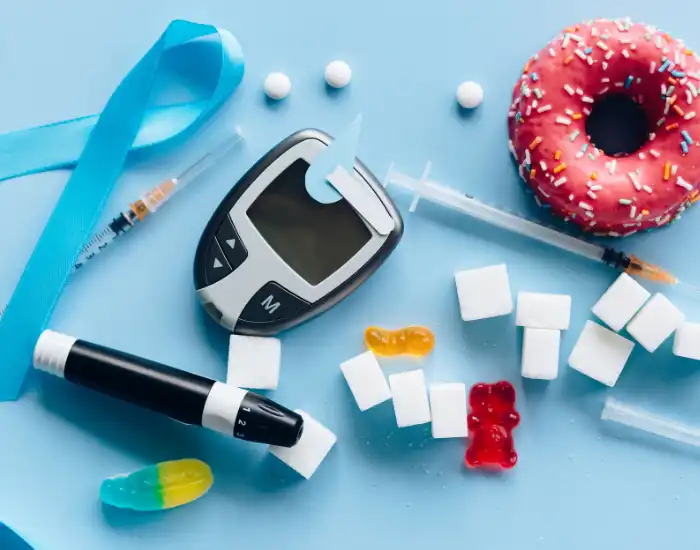
Your blood sugar level changes throughout the day based on what you eat, how active you are, your stress levels, medications, and your overall health. Small changes are normal, but when blood sugar stays consistently high, it can affect how your body functions and increase the risk of serious health problems.
Many people wonder, “What blood sugar level is considered too high?” or “How do I know if my blood sugar is dangerous?” These are important questions because high blood sugar can sometimes develop gradually without obvious warning signs.
High blood sugar, also called hyperglycemia, occurs when there is too much glucose circulating in the bloodstream. Glucose provides energy for your cells, but your body needs the right balance. When blood sugar remains elevated, it can damage blood vessels, nerves, kidneys, eyes, and other organs over time.
Understanding blood sugar ranges, recognizing symptoms early, and knowing when to seek medical care can help you take control of your health and prevent complications.
High blood sugar does not always cause noticeable symptoms, which means some people may not realize their levels are elevated until they have a health screening or develop complications. Learning what numbers mean, recognizing warning signs, and working with a healthcare provider can help you protect your health before problems become more serious.
High blood sugar occurs when there is too much glucose in your bloodstream and your body cannot properly move it into your cells for energy.
After you eat carbohydrates, your body breaks them down into glucose. The hormone insulin, which is produced by the pancreas, helps glucose enter your cells where it can be used as fuel.
When your body does not produce enough insulin or cannot use insulin effectively, glucose remains in the bloodstream instead of moving into cells. This leads to elevated blood sugar levels.
High blood sugar may occur temporarily due to illness, stress, certain medications, or dietary choices. However, consistently elevated levels are often associated with conditions such as diabetes or prediabetes.
Over time, untreated high blood sugar can affect:
That is why early detection and proper management are essential.
A blood sugar level is considered high when glucose levels rise above the recommended range for a person’s health situation.
The exact number that is considered “too high” depends on several factors, including whether someone has diabetes, when the measurement is taken, and whether the person is experiencing symptoms.
Healthcare providers usually evaluate blood sugar based on measurements such as:
A single elevated reading does not always mean a person has diabetes. Illness, stress, medications, and other temporary factors can affect glucose levels.
However, consistently high readings require medical evaluation because they may indicate an underlying health concern.
Your body depends on balanced glucose levels to function properly.
When glucose remains too high, excess sugar can damage blood vessels and interfere with normal organ function.
Over time, uncontrolled high blood sugar may increase the risk of:
Monitoring blood sugar allows patients and healthcare providers to identify problems early and create an effective management plan.
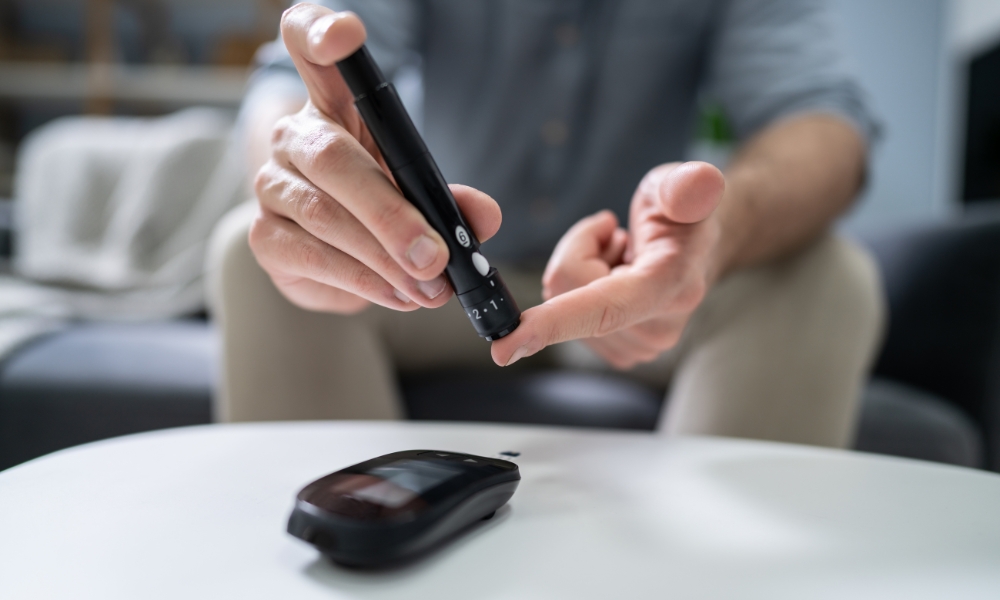
Healthy blood sugar ranges vary depending on the timing of the test and individual health factors.
Healthcare providers use different measurements to understand how your body manages glucose.
A fasting blood sugar test measures glucose after several hours without eating.
This test helps providers evaluate how effectively the body maintains blood sugar levels when food is not actively entering the bloodstream.
Blood sugar naturally rises after meals because carbohydrates are converted into glucose.
The body normally responds by releasing insulin to help move glucose into cells.
When insulin does not work effectively, blood sugar may remain elevated longer than expected.
The A1C test provides an estimate of average blood sugar levels over the previous few months.
Unlike a single glucose measurement, A1C helps healthcare providers understand longer-term blood sugar patterns.
Regular monitoring is especially important for people with diabetes, prediabetes, or risk factors for blood sugar problems.
High blood sugar symptoms can develop slowly, and some people may not notice any changes at first.
When glucose levels remain elevated, the body may begin showing signs that it is struggling to maintain balance.
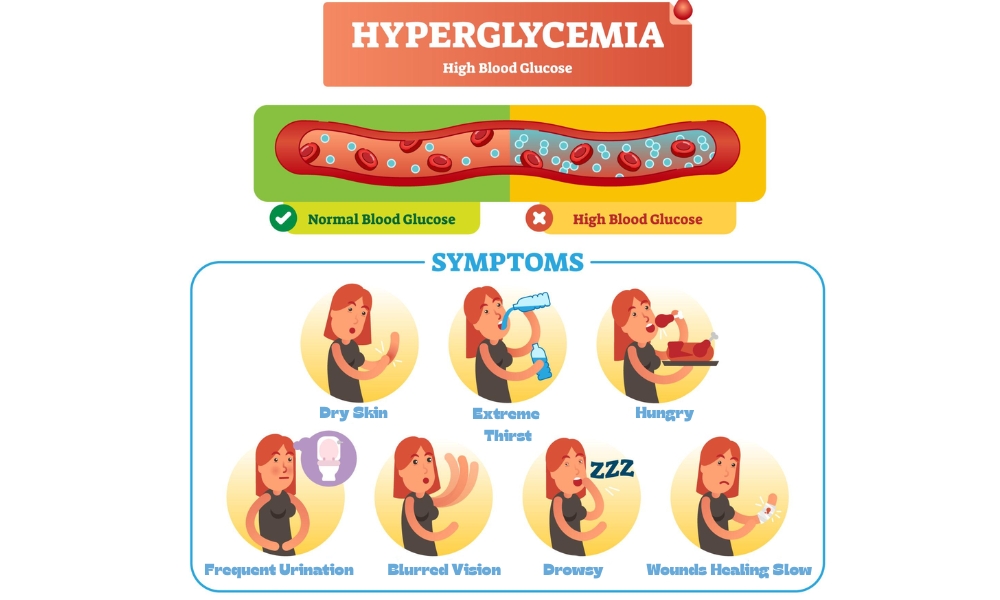
Common symptoms of high blood sugar include:
When blood sugar becomes elevated, the kidneys may work harder to remove excess glucose through urine.
This process can cause increased fluid loss, leading to stronger feelings of thirst.
High glucose levels can cause the body to produce more urine as it attempts to remove extra sugar from the bloodstream.
People may notice they need to urinate more often, especially during the night.
Although glucose is the body’s main source of energy, high blood sugar does not always mean your cells are receiving enough fuel.
When glucose cannot enter cells properly, people may feel tired, weak, or less energetic.
Recognizing early signs of high blood sugar can help you seek care before elevated glucose levels lead to more serious complications.
Many symptoms develop gradually, which makes them easy to overlook. Some people simply assume they are tired, stressed, or experiencing normal changes related to aging.
However, repeated symptoms may indicate that your body is struggling to regulate glucose properly.
Feeling unusually thirsty even after drinking fluids can be an early sign that blood sugar levels are elevated.
When extra glucose builds up in the blood, the kidneys attempt to remove it through urine. This process pulls additional water from the body, increasing the need for fluids.
If excessive thirst continues without an obvious reason, discussing it with a healthcare provider can help identify the cause.
Many people notice they wake up several times during the night to urinate when their blood sugar remains high.
This happens because the kidneys work harder to filter excess glucose from the bloodstream.
Frequent nighttime urination can affect sleep quality and contribute to daytime fatigue.
Some people with high blood sugar feel hungry even after eating.
This can happen because glucose is not effectively entering cells for energy, causing the body to signal that it needs more fuel.
High blood sugar can temporarily affect fluid balance inside the eyes, which may cause changes in vision.
People may notice:
Persistent vision changes should always receive medical attention because they may indicate blood sugar problems or other eye-related concerns.
Elevated blood sugar can affect circulation and the body’s ability to fight infections.
As a result, cuts, sores, or wounds may take longer to heal.
This is especially important for people with diabetes because untreated wounds can become more difficult to manage.
Long-term high blood sugar can damage nerves, causing sensations such as tingling, burning, or numbness, particularly in the hands and feet.
Early evaluation and proper blood sugar management can help reduce the risk of nerve complications.
High blood sugar becomes dangerous when glucose levels rise significantly and the body cannot maintain normal function.
The risk depends on how high the blood sugar rises, how long it remains elevated, and whether symptoms or complications develop.
Very high blood sugar can lead to serious conditions that require urgent medical attention.
Warning signs may include:
These symptoms may indicate that blood sugar has reached a dangerous level and requires immediate evaluation.
When glucose levels become extremely elevated, the body can lose important fluids and experience chemical imbalances.
Severe hyperglycemia may affect:
Prompt medical care can help prevent serious complications.
High blood sugar happens when the body cannot properly balance glucose levels in the bloodstream.
Several factors can contribute to elevated blood sugar, including medical conditions, lifestyle habits, medications, and temporary health changes.
Diabetes is one of the most common causes of consistently high blood sugar.
In diabetes, the body either does not produce enough insulin or cannot use insulin effectively.
Without enough working insulin, glucose remains in the bloodstream instead of moving into cells for energy.
Insulin resistance occurs when the body’s cells do not respond properly to insulin.
The pancreas may produce more insulin to compensate, but over time blood sugar can begin to rise.
Insulin resistance is commonly associated with prediabetes and type 2 diabetes.
Food choices can influence blood sugar levels.
Meals high in refined carbohydrates and added sugars can cause larger glucose increases, especially when combined with limited physical activity.
Physical or emotional stress can affect blood sugar levels.
During stressful situations, the body releases hormones that can temporarily increase glucose availability.
For some people, ongoing stress may make blood sugar management more difficult.
When the body fights an illness, stress hormones can increase blood sugar levels.
This is why people with diabetes may need closer monitoring during infections or periods of illness.
Some medications can affect glucose levels.
Examples include certain steroids and other medicines that influence how the body processes sugar.
Always discuss medication effects with your healthcare provider before making changes.
Diabetes is a condition where the body has difficulty controlling blood sugar levels, leading to periods of elevated glucose.
There are different types of diabetes, but each affects the body’s ability to maintain healthy glucose balance.
Type 1 diabetes occurs when the immune system attacks insulin-producing cells in the pancreas.
People with type 1 diabetes need insulin therapy because their bodies cannot produce enough insulin naturally.
Type 2 diabetes is the most common form of diabetes.
It develops when the body becomes resistant to insulin or does not produce enough insulin to maintain normal blood sugar levels.
Lifestyle changes, medications, and regular monitoring can help many people successfully manage type 2 diabetes.
Prediabetes occurs when blood sugar levels are higher than normal but not yet in the diabetes range.
It serves as an important warning stage because early action can help reduce the risk of developing type 2 diabetes.
Regular screening and preventive care can help identify blood sugar problems before complications occur.
High blood sugar can feel overwhelming, especially when you are unsure what your numbers mean. Some elevated readings happen temporarily because of stress, illness, or other factors, while ongoing high levels may require treatment. Avoid trying to diagnose yourself based on one symptom or one reading. A healthcare provider can evaluate your overall health and guide you toward the right solution.
Healthcare providers diagnose high blood sugar through blood tests that measure how much glucose is present in the bloodstream.
Doctors consider your symptoms, medical history, risk factors, and test results together rather than relying on one piece of information alone.
This test measures blood sugar after a period without eating.
It helps providers understand how your body manages glucose when food is not influencing your blood sugar levels.
The A1C test provides information about average blood sugar levels over several months.
This test helps identify long-term glucose patterns rather than a single moment in time.
In some cases, providers use glucose tolerance testing to see how the body responds after consuming glucose.
Depending on your situation, your healthcare provider may also evaluate:
Comprehensive evaluation helps create a personalized treatment and prevention plan.
Treating high blood sugar focuses on bringing glucose levels into a healthier range while preventing complications that can affect your long-term health.
The best treatment approach depends on the reason your blood sugar is elevated, your overall health, your medical history, and whether you have conditions such as diabetes or prediabetes.
Many people successfully manage high blood sugar through a combination of lifestyle changes, regular monitoring, and medical treatment when needed.
Food plays an important role in blood sugar management.
A balanced eating plan can help your body maintain steadier glucose levels throughout the day.
Healthcare providers often recommend focusing on:
Rather than completely eliminating certain foods, many people benefit from learning how different foods affect their blood sugar and making sustainable choices.
Exercise helps your muscles use glucose for energy and can improve how your body responds to insulin.
Regular movement may include activities such as walking, strength training, swimming, or other exercises that fit your health level.
If you have very high blood sugar or other medical conditions, discuss appropriate activity levels with your healthcare provider before making major changes.
Monitoring blood sugar provides important information about how your body responds to food, activity, medications, and daily habits.
Tracking patterns can help healthcare providers adjust treatment plans and identify problems early.
Some people need medications to help control blood sugar.
Depending on your condition, medications may help:
Your healthcare provider will determine which treatment options are appropriate for your needs.
Blood sugar management often works best when combined with care for other health concerns.
Conditions such as high blood pressure, high cholesterol, and weight-related health issues can affect overall metabolic health.
Comprehensive care, including chronic disease management services, can help patients address multiple health factors together.
Healthy daily habits can help reduce the risk of developing high blood sugar and support better overall wellness.
Prevention focuses on improving the way your body uses glucose and identifying health changes early.
A balanced diet supports stable blood sugar by providing steady energy instead of large glucose spikes.
Try to include a combination of protein, fiber, and nutrient-rich foods in your meals.
Regular movement helps your body use glucose more efficiently.
Even moderate activities, when done consistently, can support healthier blood sugar levels.
Blood sugar problems can develop before noticeable symptoms appear.
Routine health checkups allow healthcare providers to identify risk factors and recommend preventive steps.
Regular family health check-ups can help monitor important health markers, including blood sugar levels.
Stress affects hormones that influence blood sugar regulation.
Healthy stress management strategies may include:
Poor sleep can affect hormones involved in hunger, metabolism, and glucose control.
Creating a consistent sleep routine supports better overall health.
If you are concerned about high blood sugar levels, experiencing possible symptoms, or need help managing diabetes-related health concerns, getting professional medical guidance is an important step.
Residents of Katy, Cinco Ranch, Fulshear, and nearby communities can receive personalized healthcare support at Primary Care Clinic of Katy.
The clinic provides comprehensive primary care services, including preventive visits, chronic condition management, diagnostic services, and personalized treatment plans designed around each patient’s needs.
Whether you need routine blood sugar monitoring, help understanding your test results, or ongoing support for a chronic condition, an experienced healthcare team can help you create a practical plan for better health.
Early attention to high blood sugar can help reduce the risk of complications and improve your quality of life.
A blood sugar level is considered high when it rises above the recommended range for an individual’s health situation. The meaning of a reading depends on factors such as timing, diabetes status, and overall health.
Early signs may include increased thirst, frequent urination, fatigue, increased hunger, blurred vision, and slow-healing wounds.
Yes. Many people have elevated blood sugar without noticeable symptoms, especially during the early stages. Regular health screenings can help detect problems before complications develop.
Yes. When glucose cannot enter cells properly for energy, people may experience fatigue, weakness, and low energy.
Yes. Stress hormones can temporarily increase blood sugar levels. Ongoing stress may also make glucose management more difficult.
You should contact a healthcare provider if you repeatedly notice high blood sugar readings or symptoms such as excessive thirst, frequent urination, unexplained fatigue, or vision changes.
Long-term untreated high blood sugar can damage blood vessels, nerves, kidneys, eyes, and the heart. Early management can help reduce these risks.
Yes. Healthy eating, regular physical activity, stress management, and maintaining a healthy lifestyle can improve blood sugar control for many people.
No. Temporary factors such as illness, stress, and certain medications can raise blood sugar. However, persistent elevation requires medical evaluation.
The recommended frequency depends on your health condition, medications, and treatment plan. Your healthcare provider can recommend the appropriate monitoring schedule.
Understanding what makes blood sugar levels too high can help you recognize changes early and make informed decisions about your health.
High blood sugar does not always create obvious symptoms, but ongoing elevation can affect many parts of the body over time. Regular monitoring, healthy habits, and professional medical guidance can make a significant difference.
If you notice symptoms such as excessive thirst, frequent urination, unexplained fatigue, vision changes, or slow-healing wounds, do not ignore them. A healthcare provider can help identify the cause and recommend the right next steps.
Taking action early can help protect your health today and reduce the risk of future complications.
This article is intended for educational purposes only and does not replace professional medical advice, diagnosis, or treatment. Blood sugar concerns can vary from person to person. Always consult a qualified healthcare provider for personalized guidance regarding your symptoms, blood sugar levels, or medical condition.