mail us
info@primarycareclinicofkaty.com


Call us
(281) 392-2222


Most people do not think much about breathing until it suddenly becomes difficult. One moment you’re walking across a parking lot, climbing stairs, exercising, or even sitting quietly, and the next you feel like you cannot get enough air. That sensation can be unsettling, frustrating, and sometimes frightening.
Shortness of breath is one of the most common reasons people seek medical care. While it may result from something temporary, such as intense exercise or a respiratory infection, it can also signal an underlying condition involving the lungs, heart, blood circulation, or other body systems.
Some people describe shortness of breath as feeling winded. Others say they cannot take a deep breath, feel chest tightness, struggle to catch their breath, or experience a sensation of not getting enough oxygen.
The good news is that many causes of shortness of breath are treatable once healthcare providers identify the source. Understanding why breathing difficulties occur, what symptoms deserve attention, and when to seek medical care can help you respond appropriately and protect your health.
Breathing is something most people take for granted until it becomes difficult. Shortness of breath can develop from minor illnesses, physical exertion, or anxiety, but it can also indicate serious heart or lung conditions. Understanding the cause early may help prevent complications and ensure you receive the right treatment when needed.
Shortness of breath is the sensation that you cannot breathe comfortably or get enough air into your lungs.
Healthcare providers often refer to this symptom as dyspnea. It can develop suddenly or gradually and may range from mild discomfort to severe breathing difficulty.
Some people experience shortness of breath only during physical activity, while others notice symptoms even when resting.
People commonly describe shortness of breath as:
The symptom itself is not a disease. Instead, it is a signal that something may be affecting the body’s ability to move oxygen efficiently.
Because many different conditions can cause breathing difficulties, healthcare providers evaluate symptoms carefully to identify the underlying problem.
At Primary Care Clinic of Katy, providers assess breathing concerns thoroughly to help patients understand the cause of their symptoms and determine the most appropriate treatment plan.
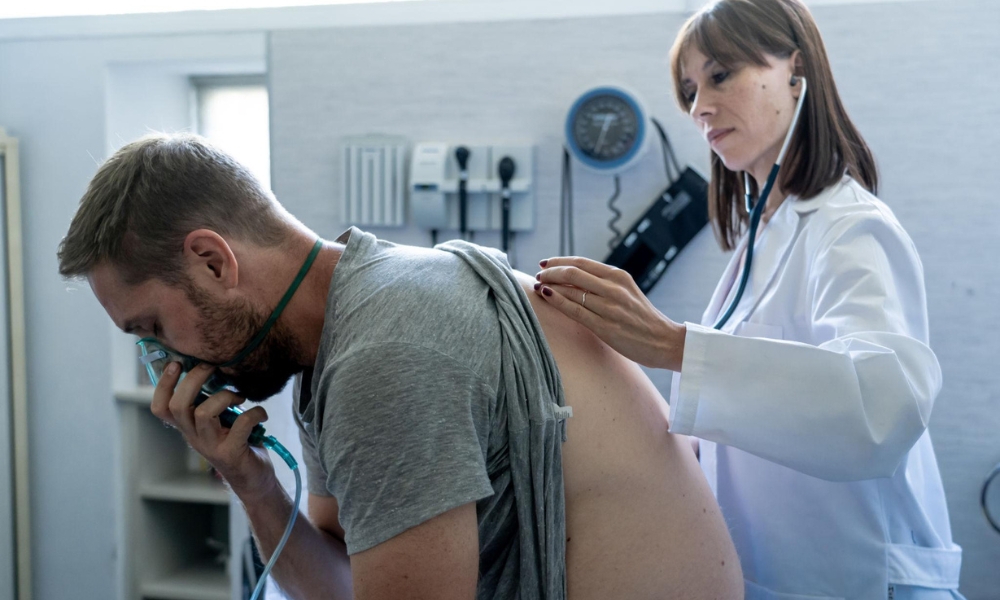
Shortness of breath can result from conditions affecting the lungs, heart, circulation, airways, muscles, or even emotional health.
Some causes are temporary and improve quickly, while others require ongoing medical management.
Common causes include:
Although some causes are relatively mild, persistent or unexplained breathing difficulties should always be evaluated by a healthcare professional.
The lungs are often the first place healthcare providers look when evaluating breathing difficulties.
Because the lungs are responsible for exchanging oxygen and carbon dioxide, any condition affecting lung function can make breathing feel more difficult.
Asthma causes inflammation and narrowing of the airways, making it harder for air to move in and out of the lungs.
Common asthma symptoms include:
Symptoms may worsen during exercise, exposure to allergens, respiratory infections, or changes in weather.
Infections affecting the respiratory system can temporarily reduce lung function and make breathing more difficult.
Examples include:
Breathing difficulties caused by infections often occur alongside symptoms such as fever, cough, fatigue, congestion, or body aches.
COPD is a long-term lung condition that makes airflow more difficult.
People with COPD often experience:
Symptoms typically develop gradually and may worsen over time without proper management.
Pneumonia is an infection that causes inflammation in the lungs.
When lung tissue becomes inflamed, oxygen exchange becomes less efficient, which may lead to breathing difficulties.
Common symptoms include:
A pulmonary embolism occurs when a blood clot blocks blood flow in the lungs.
This condition can cause sudden and severe shortness of breath.
Other symptoms may include:
Because pulmonary embolism can become life-threatening, emergency medical attention is necessary.
The heart and lungs work together to deliver oxygen throughout the body, so heart problems can often cause breathing difficulties.
When the heart cannot pump blood efficiently, fluid buildup and reduced circulation may make breathing more difficult.
Heart failure occurs when the heart cannot pump blood as effectively as it should.
Symptoms may include:
Many patients first notice symptoms during routine activities that previously felt easy.
A heart attack can cause shortness of breath, even when chest pain is not the primary symptom.
Some people experience breathing difficulties before noticing any chest discomfort.
Warning signs may include:
Immediate medical attention is essential when these symptoms occur.
Certain heart rhythm problems can reduce the efficiency of blood circulation.
As a result, patients may experience:
Identifying and treating rhythm disturbances can improve breathing and overall cardiovascular health.
Not every case of shortness of breath originates in the lungs or heart.
Several other health conditions can affect the body’s ability to deliver oxygen efficiently or create the sensation that breathing is more difficult than usual.
Anxiety can trigger powerful physical symptoms, including rapid breathing, chest tightness, dizziness, and the sensation of not getting enough air.
During a panic attack, many people feel convinced something is seriously wrong with their heart or lungs because the symptoms can feel so intense.
Common symptoms include:
While anxiety can certainly cause breathing difficulties, healthcare providers generally recommend evaluating new or unexplained symptoms before assuming anxiety is the sole cause.
Anemia develops when the body lacks enough healthy red blood cells to carry oxygen efficiently.
Even when the lungs are functioning normally, reduced oxygen delivery can make a person feel short of breath.
Other symptoms often include:
Excess body weight can increase the work required for breathing and place additional demands on the heart and lungs.
Some individuals notice breathing difficulties during physical activity, while others experience symptoms even during routine daily tasks.
People who have been inactive for extended periods may experience shortness of breath with relatively minor activity.
In these situations, the heart, lungs, and muscles are simply less conditioned to handle physical exertion.
Gradually increasing activity levels under medical guidance often improves endurance and breathing efficiency.
Allergies can cause airway swelling and breathing difficulties.
Severe allergic reactions require immediate medical attention because airway obstruction can develop rapidly.
Many women experience mild shortness of breath during pregnancy as the body adapts to increased oxygen demands and physical changes.
However, sudden or severe breathing difficulties during pregnancy should always be evaluated promptly.
Some symptoms accompanying shortness of breath may indicate a serious medical problem that requires immediate evaluation.
Because breathing difficulties can sometimes signal heart, lung, or circulation problems, recognizing these warning signs is extremely important.
If breathing becomes difficult while sitting, resting, or sleeping, medical evaluation is necessary.
Shortness of breath without physical exertion can indicate a more significant underlying issue.
Breathing difficulties combined with chest pain should never be ignored.
This combination can occur with several serious conditions affecting the heart or lungs.
Patients experiencing chest discomfort should seek prompt medical attention, especially if symptoms worsen.
Individuals experiencing both breathing difficulties and chest pain on the left side should receive medical evaluation as soon as possible.
A bluish tint around the lips, fingertips, or skin may indicate that oxygen levels are dangerously low.
This symptom requires emergency medical care.
When breathing difficulties occur alongside dizziness, confusion, or fainting, the body may not be receiving adequate oxygen or blood flow.
Immediate evaluation is recommended.
Breathing that suddenly becomes very fast, labored, or difficult may signal a serious underlying condition.
Healthcare providers should assess these symptoms promptly.
Shortness of breath combined with swelling may indicate a cardiovascular issue, including heart failure.
These symptoms deserve professional evaluation.
Shortness of breath becomes an emergency when symptoms are severe, sudden, worsening, or accompanied by other concerning signs.
You should seek emergency medical attention if breathing difficulties occur with:
Trust your instincts. If breathing feels significantly different or unusually difficult, it is safer to seek medical attention than to wait.
Many serious conditions are easier to treat when identified early.
Feeling short of breath can be frightening, but not every episode indicates a life-threatening condition. Sometimes the cause is temporary and easily treatable. However, because breathing difficulties can also signal serious heart or lung disorders, it is important not to self-diagnose persistent symptoms. Seeking medical evaluation can provide answers, reassurance, and timely treatment when necessary.
Several health factors can increase the likelihood of experiencing breathing difficulties.
Understanding these risk factors can help patients recognize when symptoms deserve additional attention.
Smoking can damage lung tissue and airways, increasing the risk of chronic respiratory conditions.
Even former smokers may develop breathing-related symptoms years after quitting.
Individuals with cardiovascular conditions often experience shortness of breath because the heart and lungs work closely together.
Managing heart health can improve breathing and overall wellness.
People living with asthma, COPD, or other chronic respiratory disorders may experience recurring episodes of shortness of breath.
Regular medical management helps reduce symptom flare-ups.
Carrying excess weight can place additional demands on the cardiovascular and respiratory systems.
Weight management may improve breathing efficiency for some individuals.
As people age, changes in lung capacity, muscle strength, and cardiovascular function can contribute to breathing difficulties.
Routine preventive care becomes increasingly important with age.
Conditions such as diabetes, kidney disease, anemia, and autoimmune disorders may contribute to shortness of breath in some patients.
Managing underlying health concerns often improves overall respiratory function.
Healthcare providers use a combination of medical history, physical examination, and diagnostic testing to determine why breathing difficulties occur.
The evaluation process focuses on identifying serious causes first while gathering information about symptoms and risk factors.
Your provider may ask questions such as:
Your answers help guide further evaluation.
The examination may include assessing:
Physical findings often provide valuable clues about the source of symptoms.
Depending on symptoms, providers may recommend:
Access to on-site diagnostic services can help healthcare providers evaluate symptoms efficiently and develop an appropriate treatment plan.
The best treatment for shortness of breath depends on the underlying cause.
Because breathing difficulties can result from many different conditions, healthcare providers focus on identifying and treating the source rather than simply addressing the symptom itself.
Once the cause is determined, treatment can often improve breathing, reduce discomfort, and help prevent future episodes.
When asthma, respiratory infections, or chronic lung diseases cause shortness of breath, treatment focuses on improving airflow and reducing inflammation.
Treatment plans may include:
Proper management often helps patients maintain normal daily activities and improve their quality of life.
If a cardiovascular condition contributes to breathing difficulties, treatment focuses on improving heart function and circulation.
Healthcare providers may recommend:
Early treatment can help reduce complications and support long-term heart health.
When anemia causes shortness of breath, treatment focuses on correcting the underlying deficiency or condition responsible for reduced red blood cell levels.
As oxygen delivery improves, breathing symptoms often become less noticeable.
If anxiety contributes to symptoms, treatment may include stress management techniques, counseling support, lifestyle modifications, and other therapies recommended by a healthcare provider.
Learning how anxiety affects breathing can help patients recognize triggers and develop healthier coping strategies.
For some individuals, improving physical fitness, maintaining a healthy weight, and increasing activity levels gradually can significantly improve breathing capacity.
Healthcare providers can help create a safe plan that matches each patient’s health needs and goals.
Not every cause of shortness of breath can be prevented, but healthy habits can reduce the risk of many conditions that contribute to breathing difficulties.
Focusing on prevention supports both respiratory and cardiovascular health.
Smoking damages airways and lung tissue while increasing the risk of chronic respiratory disease.
Quitting smoking remains one of the most important steps a person can take to protect lung health.
Regular movement strengthens the heart, lungs, and muscles involved in breathing.
Consistent activity can improve endurance and reduce shortness of breath during daily tasks.
Conditions such as asthma, diabetes, high blood pressure, and heart disease benefit from regular monitoring and treatment.
Effective management often reduces the likelihood of breathing-related complications.
Weight management may reduce strain on both the respiratory and cardiovascular systems.
Even modest improvements can positively impact breathing efficiency.
Regular healthcare visits allow providers to identify risk factors early and address concerns before they become more serious.
Preventive services such as family health check-ups can help monitor overall health and detect issues that may contribute to breathing difficulties.
Ignoring persistent shortness of breath may allow an underlying condition to worsen.
Seeking medical advice when symptoms first appear often leads to earlier diagnosis and more effective treatment.
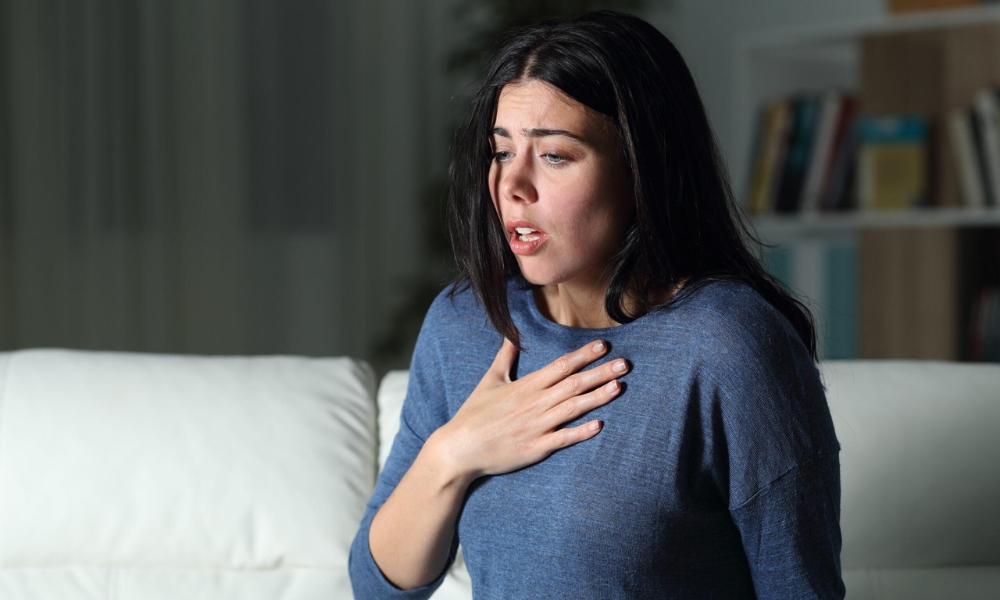
If you experience ongoing breathing difficulties, unexplained shortness of breath, or symptoms that interfere with daily life, professional evaluation can help identify the cause and determine the most appropriate treatment plan.
Residents of Katy, Cinco Ranch, Fulshear, and nearby communities can receive comprehensive healthcare services at Primary Care Clinic of Katy.
The clinic offers preventive care, chronic disease management, diagnostic testing, wellness services, and personalized medical evaluations for patients of all ages.
Whether symptoms stem from a respiratory condition, cardiovascular concern, infection, or another underlying cause, timely medical care can help improve breathing and overall health.
Early evaluation often provides both answers and peace of mind.
Common causes include asthma, respiratory infections, anxiety, chronic lung disease, heart conditions, anemia, and physical deconditioning. The exact cause varies from person to person.
You should seek medical attention if symptoms are sudden, severe, worsening, occur at rest, or develop alongside chest pain, dizziness, fainting, or bluish skin.
Yes. Anxiety and panic attacks can create breathing difficulties, chest tightness, and rapid breathing. However, new symptoms should be evaluated to rule out other causes.
Yes. Some heart conditions, including heart failure and heart attacks, may cause breathing difficulties even when chest pain is minimal or absent.
Possible causes include lung disease, heart conditions, anemia, obesity, poor physical conditioning, or other medical concerns. Persistent symptoms deserve evaluation.
Yes. Allergies can trigger airway inflammation and breathing problems. Severe allergic reactions require immediate medical attention.
No. Heart disease, anemia, anxiety, obesity, and several other conditions can contribute to breathing difficulties.
Healthcare providers may use blood tests, chest imaging, EKGs, oxygen monitoring, lung function tests, and physical examinations to identify the cause.
In some situations, dehydration may contribute to symptoms such as dizziness, weakness, or rapid heartbeat that can make breathing feel more difficult.
Persistent or concerning symptoms should be evaluated promptly. Severe breathing difficulties, chest pain, fainting, or bluish skin require emergency medical care.
Shortness of breath is a symptom that should never be ignored, especially when it develops suddenly, worsens over time, or interferes with normal daily activities.
While some causes are temporary and easily treated, others involve the heart, lungs, or circulation and require prompt medical attention. Understanding your symptoms and recognizing warning signs can help you seek care at the right time.
Pay attention to changes in your breathing, activity tolerance, and overall health. If something feels different or unusual, discussing symptoms with a healthcare provider can help identify the cause and provide appropriate treatment.
Healthy breathing plays a vital role in overall wellness. Taking symptoms seriously today may help prevent more significant health problems tomorrow.
This article is intended for educational purposes only and does not replace professional medical advice, diagnosis, or treatment. Shortness of breath can have many causes, some of which may be serious. Always consult a qualified healthcare provider regarding symptoms, concerns, or medical emergencies.