mail us
info@primarycareclinicofkaty.com


Call us
(281) 392-2222

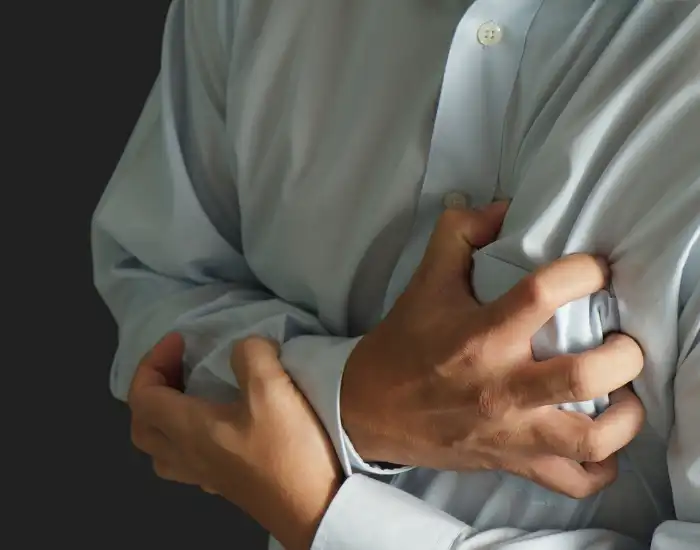
Few symptoms create as much anxiety as pain on the left side of the chest. For many people, the first thought is often a heart attack. While that concern is understandable, left-sided chest pain can develop from many different causes, including muscle strain, digestive issues, lung conditions, anxiety, and heart-related problems.
The challenge is that chest pain does not always feel the same from person to person. Some individuals experience sharp, stabbing pain. Others notice pressure, tightness, burning, aching, or discomfort that comes and goes. The location, severity, duration, and accompanying symptoms all provide important clues about what may be causing the pain.
Although many cases of left-sided chest pain are not life-threatening, some require immediate medical attention. Knowing which warning signs should never be ignored can help you make informed decisions and seek care when necessary.
In this guide, we’ll explain what causes chest pain on the left side, how doctors evaluate symptoms, when emergency care may be necessary, and what treatment options are available depending on the underlying cause.
Left side chest pain can result from something as simple as a strained muscle or as serious as a heart attack. Understanding the difference is important because early medical evaluation can prevent complications and provide peace of mind. Never ignore new, severe, or unexplained chest symptoms, especially when they occur with breathing problems, dizziness, sweating, or pain spreading to other areas.
Left side chest pain refers to any discomfort, pressure, tightness, burning, or pain occurring on the left side of the chest.
The chest contains several important structures, including the heart, lungs, ribs, muscles, nerves, blood vessels, and portions of the digestive system. Because so many organs occupy this area, symptoms can have many different causes.
People describe left-sided chest pain in different ways, including:
The exact sensation often depends on the underlying cause. A person with acid reflux may describe burning discomfort, while someone with heart-related chest pain may feel pressure or heaviness.
Healthcare providers evaluate not only where the pain occurs but also how long it lasts, what triggers it, and whether other symptoms are present.
At Primary Care Clinic of Katy, providers carefully assess chest symptoms to determine whether immediate treatment, further testing, or ongoing monitoring is needed.

Left side chest pain can originate from the heart, lungs, digestive system, muscles, ribs, or even emotional stress.
While some causes are relatively minor, others require urgent medical attention. Understanding the broad categories helps explain why chest pain should never be self-diagnosed.
The most common causes include:
Because symptoms often overlap, professional evaluation remains the safest way to determine the cause.
Many cases of left side chest pain come from conditions that do not directly involve the heart.
Although these causes are often less dangerous than heart-related conditions, some can still cause significant discomfort and require medical attention. Because symptoms can overlap, healthcare providers evaluate the complete picture rather than relying on location alone.
Acid reflux occurs when stomach acid flows back into the esophagus. Since the esophagus runs through the chest, irritation can create burning pain that many people mistake for a heart problem.
Symptoms commonly include:
Many patients become alarmed because reflux-related chest pain can closely resemble cardiac symptoms. Proper evaluation helps distinguish between the two.
Overuse, exercise, lifting heavy objects, or sudden movements can strain muscles in the chest wall.
Muscle-related chest pain often:
Even though muscle strain is usually not dangerous, persistent symptoms should still be evaluated if they do not improve.
Costochondritis develops when cartilage connecting the ribs to the breastbone becomes inflamed.
This condition frequently causes sharp pain on the left side of the chest and may become more noticeable when taking deep breaths, coughing, or pressing on the affected area.
Because the pain occurs near the heart, many people initially fear they are experiencing a cardiac emergency.
The lungs occupy a large portion of the chest cavity, and several respiratory conditions can create left-sided chest discomfort.
Possible causes include:
Lung-related chest pain often occurs alongside coughing, fever, breathing difficulties, or fatigue.
A pulmonary embolism occurs when a blood clot blocks blood flow in the lungs.
This condition can cause:
Because pulmonary embolism can become life-threatening, immediate medical attention is necessary.
Anxiety can trigger real physical symptoms, including chest pain, rapid heartbeat, shortness of breath, dizziness, and sweating.
During a panic attack, symptoms may closely resemble those of a heart attack.
However, healthcare providers recommend evaluating new chest pain before assuming anxiety is responsible.
Irritated or compressed nerves can create sharp, localized chest discomfort.
Some people notice burning, tingling, or shooting pain that follows a specific path across the chest wall.
Nerve-related symptoms often feel different from pressure-based heart symptoms but still require evaluation when persistent.
Certain symptoms accompanying left side chest pain can indicate a serious medical emergency.
Many people try to wait and see if symptoms improve, but delaying treatment can increase risks when the heart or lungs are involved.
A sensation of pressure, squeezing, fullness, or heaviness deserves immediate attention, especially if it lasts more than a few minutes.
Many patients describe the feeling as though someone is sitting on their chest.
Pain radiating from the chest into nearby areas may indicate a cardiovascular problem.
Pay attention to discomfort that spreads toward:
Difficulty breathing alongside chest pain should never be ignored.
Heart conditions, lung disorders, and blood vessel problems can all cause this combination of symptoms.
Sudden sweating that is not related to heat or physical activity can occur during serious cardiovascular events.
This symptom becomes especially concerning when combined with chest pressure.
Some people experience nausea, indigestion-like symptoms, or vomiting during a heart attack.
Women may be more likely to experience these less typical symptoms.
Feeling faint, lightheaded, or losing consciousness may indicate that the body is not receiving adequate oxygen or blood flow.
Chest pain combined with dizziness requires immediate medical evaluation.
Left side chest pain becomes an emergency when symptoms suggest a potentially life-threatening condition affecting the heart, lungs, or major blood vessels.
You should seek emergency medical care if you experience:
When in doubt, it is safer to seek medical attention than to assume symptoms will improve on their own.
Prompt evaluation can identify serious problems earlier and improve outcomes when treatment is necessary.
Many causes of left-sided chest pain are treatable and not immediately dangerous. However, symptoms involving the chest deserve careful attention because they can overlap with heart and lung conditions. Do not rely solely on internet searches to determine the cause of your symptoms. Professional evaluation provides the most accurate answers and helps ensure your safety.
Certain risk factors increase the likelihood that chest pain may involve a cardiovascular condition.
Understanding your personal risk profile can help guide decisions about preventive care and symptom evaluation.
High blood pressure places additional strain on the heart and blood vessels over time.
Many people do not realize they have high blood pressure because symptoms may not appear until complications develop.
Excess cholesterol can contribute to plaque buildup inside arteries, reducing blood flow and increasing cardiovascular risk.
Regular screening can help identify elevated cholesterol levels before symptoms occur.
Diabetes significantly increases the risk of heart disease.
People with diabetes sometimes experience atypical heart symptoms, making routine healthcare visits especially important.
Smoking damages blood vessels, affects circulation, and increases the likelihood of cardiovascular disease.
Stopping smoking is one of the most beneficial actions for long-term heart health.
A family history of heart disease can increase personal risk, particularly when combined with other factors.
Sharing family health history with your provider helps guide preventive care decisions.
Limited physical activity may contribute to several risk factors, including obesity, high blood pressure, and poor cardiovascular fitness.
Regular movement supports overall heart health and wellness.
Healthcare providers use a combination of symptom evaluation, physical examination, and diagnostic testing to identify the cause of left side chest pain.
Because symptoms can have many possible origins, the evaluation process focuses on ruling out serious conditions first.
Your provider may ask:
Your answers help narrow down potential causes.
The physical examination may include evaluating:
Physical findings provide valuable information about possible causes.
Depending on symptoms, providers may recommend:
Access to diagnostic services allows patients to receive appropriate evaluation and timely care when symptoms require further investigation.
Treatment for left side chest pain depends entirely on the underlying cause.
Healthcare providers focus on identifying the source of the pain first because chest discomfort can result from several different body systems. Treating the symptom without understanding the cause may delay appropriate care.
If the pain is related to the heart, treatment focuses on improving blood flow, protecting heart function, and reducing future cardiovascular risks.
Treatment plans may include:
Early treatment often improves outcomes and helps reduce complications.
When acid reflux causes left side chest pain, providers may recommend dietary adjustments, meal timing changes, and medications that reduce stomach acid.
Patients often notice improvement when they:
Muscle strains and chest wall inflammation often improve with rest, activity modification, and appropriate medical guidance.
Recovery may take several days or weeks depending on the severity of the strain.
Respiratory infections, inflammation, and other lung-related causes require treatment based on the specific diagnosis.
Prompt medical evaluation helps ensure patients receive the most appropriate care plan.
If anxiety contributes to chest discomfort, treatment focuses on reducing stress responses and improving emotional well-being.
Healthcare providers may recommend stress management strategies, counseling support, lifestyle changes, or additional care when appropriate.
However, providers should always evaluate new chest pain before assuming anxiety is the cause.
Although not every cause of chest pain can be prevented, healthy lifestyle habits can significantly reduce the risk of many heart and health conditions.
Prevention focuses on protecting cardiovascular health, maintaining overall wellness, and identifying risk factors early.
Your heart works continuously throughout your life. Supporting cardiovascular health through healthy habits can reduce the likelihood of future problems.
Important habits include:
High blood pressure often develops without symptoms.
Regular screenings can identify elevated readings before complications occur.
Keeping cholesterol within a healthy range helps support healthy blood flow and reduces cardiovascular risk.
Routine healthcare visits allow providers to monitor cholesterol and recommend changes when necessary.
Smoking damages blood vessels and increases the risk of heart disease, stroke, and other serious health conditions.
Quitting smoking offers benefits at any age.
Preventive healthcare visits allow providers to identify risk factors early and provide personalized recommendations.
Services such as comprehensive primary care help patients stay proactive about their health while addressing concerns before they become more serious.
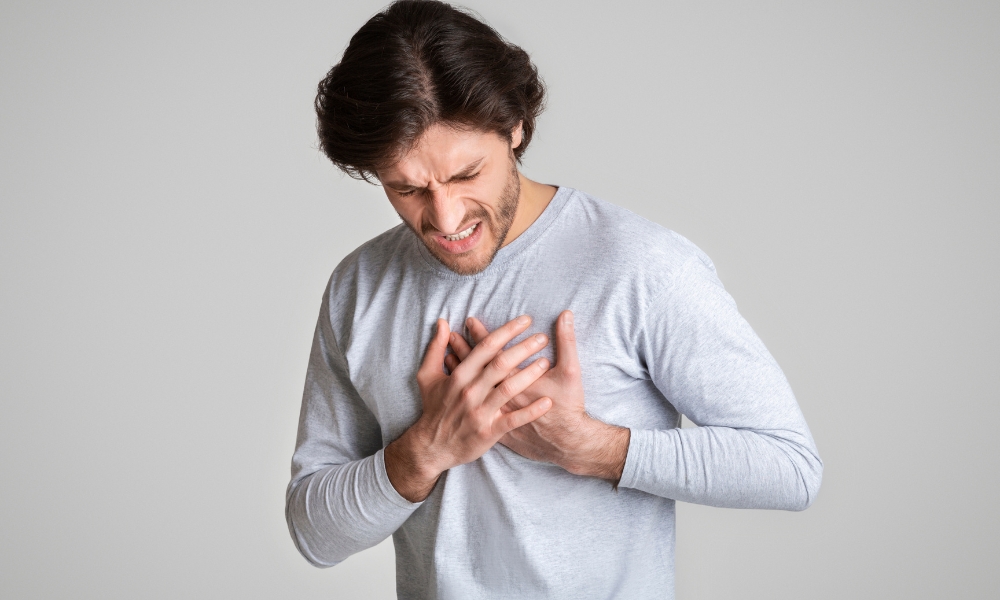
If you experience recurring chest discomfort, unexplained symptoms, or concerns about your cardiovascular health, seeking professional medical guidance can help you understand what is causing the pain and determine the right course of action.
Residents of Katy, Cinco Ranch, Fulshear, and surrounding communities can receive comprehensive healthcare at Primary Care Clinic of Katy.
The clinic provides preventive care, chronic disease management, health screenings, diagnostic services, and personalized medical evaluations for patients of all ages.
Whether your symptoms relate to heart health, digestive issues, respiratory concerns, or musculoskeletal conditions, timely evaluation can help identify the cause and provide appropriate treatment recommendations.
Early intervention often leads to better outcomes and greater peace of mind.
Left side chest pain can result from heart conditions, acid reflux, muscle strain, costochondritis, lung disorders, anxiety, nerve irritation, and several other medical conditions.
No. While heart-related causes are important to rule out, many cases of left-sided chest pain originate from muscles, digestive issues, inflammation, or respiratory conditions.
You should seek immediate medical attention if chest pain is severe, sudden, associated with shortness of breath, spreads to other areas, causes dizziness, or occurs with sweating and nausea.
Yes. Anxiety and panic attacks can cause chest tightness, rapid heartbeat, shortness of breath, and chest discomfort. However, new chest pain should always be evaluated before assuming anxiety is responsible.
Yes. Acid reflux frequently causes burning chest discomfort that may be mistaken for heart-related pain.
Pain during deep breathing may result from muscle strain, inflammation around the lungs, rib conditions, or other causes. Persistent symptoms should be evaluated by a healthcare provider.
Yes. Some causes create intermittent symptoms, while others produce continuous discomfort. Recurring chest pain should be medically evaluated to determine the cause.
Diagnosis may involve reviewing symptoms, performing a physical examination, obtaining blood tests, conducting an EKG, ordering imaging studies, and evaluating cardiovascular risk factors.
Yes. Although risk generally increases with age, serious causes can occur in younger adults. Any unusual or concerning chest symptoms should receive medical attention.
Chest pain accompanied by severe symptoms may require emergency care. If symptoms are new, unexplained, or worsening, seek prompt medical evaluation.
Chest pain on the left side can be unsettling because it raises concerns about the heart. While many cases result from conditions that are not immediately dangerous, it is important not to dismiss symptoms without proper evaluation.
Pay attention to how the pain feels, when it occurs, and whether other symptoms develop alongside it. Pressure, heaviness, shortness of breath, dizziness, sweating, and pain spreading to other areas require immediate attention.
Your body often provides warning signs when something is wrong. Listening to those signals and seeking professional guidance can help protect your health and provide reassurance.
If you experience recurring or unexplained left side chest pain, speaking with a healthcare provider can help identify the cause and determine the most appropriate treatment plan.
This article is intended for educational purposes only and does not replace professional medical advice, diagnosis, or treatment. Chest pain can have many causes, some of which require urgent medical attention. Always consult a qualified healthcare provider regarding symptoms or medical concerns.